Home Inspection vs. Condo Inspection: Key Differences and Limitations
When buying a property, a professional inspection is crucial to uncover potential issues. But the process differs significantly between single-family homes and condominiums. In this post, we’ll explore the main differences, the limitations on inspecting common areas in condos, and why those elements are typically excluded from a standard inspection.
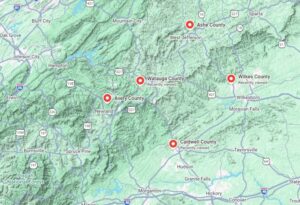
The Core Differences – Boone, Blowing Rock, Banner Elk, West Jefferson, Lenoir and the NC High Country
A home inspection typically covers the entire property, including the structure, roof, foundation, exterior, plumbing, electrical systems, HVAC, and more. This comprehensive evaluation ensures buyers understand the full condition of what they’re purchasing.
Since they own the whole lot and building, buyers can gain insights into all aspects of the property.
In contrast, a condo inspection is more limited. It focuses primarily on the interior of the unit—often described as “walls-in.” This includes appliances, interior plumbing and electrical, flooring, walls, and any unit-specific features like balconies if accessible.
Understanding the importance of a condo inspection can help buyers make informed decisions.
The exterior components, such as the roof, siding, and foundation, are usually not part of the scope because they’re shared responsibilities.
In the High Country, condos and townhomes often face environmental stresses that differ from properties in flatter regions. When we perform a condo inspection in Boone or Blowing Rock, we pay close attention to how the ‘walls-in’ components handle our extreme mountain weather.
For instance, high-elevation units can be more susceptible to frozen pipes or ice damming issues that manifest inside the unit’s ceiling or walls. While the HOA might be responsible for the roof itself, a professional inspection ensures that your specific unit hasn’t suffered interior damage from these regional climate factors. Whether it’s a vacation rental or a permanent residence, knowing the interior health of your mountain condo is vital.
Limitations on Inspecting Common Areas and Elements – Boone, Blowing Rock, Banner Elk, West Jefferson, Lenoir and the NC High Country
Common areas in a condo complex; think hallways, elevators, lobbies, pools, gyms, parking garages, and shared roofs—are generally off-limits during a standard condo inspection. The inspector won’t climb onto the roof or test shared amenities like elevators, as these fall under the homeowners’ association (HOA) jurisdiction. If access is granted, a limited overview might be possible, but detailed testing is rare due to restrictions. Buyers should instead review HOA documents, financials, and meeting minutes to assess the condition and maintenance of these spaces.
What Boone and Banner Elk Buyers Should Look For – Navigating the shared nature of a condo complex in Banner Elk or near the ski slopes requires a keen eye for detail. Since a standard condo inspection is limited to the interior, it is crucial for buyers to understand that systems like the HVAC or water heater might be tucked away in shared utility closets.
We make every effort to inspect the systems that exclusively serve your unit, even if they aren’t located within the living space. Our goal is to provide a comprehensive look at the electrical panels and plumbing fixtures that you will be responsible for maintaining. In the High Country, where many condos are older or were built as seasonal retreats, these interior systems are often the most critical points of failure.
Why These Elements Are Typically Excluded – Boone, Blowing Rock, Banner Elk, West Jefferson, Lenoir and the NC High Country
The primary reason for exclusion is ownership and responsibility. Condo owners typically own only the interior space, while the HOA manages and maintains common elements.
Protecting Your Investment in Watauga and Avery Counties – Choosing between a single-family home and a condo in the High Country often comes down to maintenance preferences. However, a condo inspection is just as essential for your protection as a full home inspection.
Because you are buying into a larger community in Boone or Blowing Rock, ensuring that your individual unit is free of hidden plumbing leaks or electrical hazards is the only way to avoid unexpected ‘special assessments’ or repair costs later. We provide a detailed report with photos, giving you the leverage you need during the buying process to ensure your new mountain getaway is a safe and sound investment.
When considering a condo inspection, it’s vital to recognize these unique limitations. Inspecting shared areas could raise liability issues for the inspector. They might not have full access or permission from the HOA. In summary, while both inspections aim to protect buyers, condo inspections are narrower. They match the shared nature of condo living. Always consult HOA docs alongside your inspection for a complete picture—happy house (or condo) hunting!
Check out our blog page here.
Schedule Your Home Inspection HERE.
Check out InterNACHI’s Condo Inspection Standards here.
For more information on condo inspections, visit our website here.