Water Damage Home Inspection: 3 Ways Water Destroys Your Home
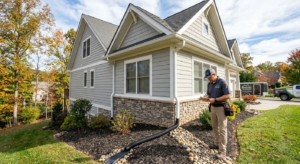
Water is the single greatest threat to a property’s structural integrity. While a burst pipe or a flooded basement gets immediate attention, the most destructive damage happens quietly over time. Slow plumbing leaks, poor grading, and trapped humidity can secretly rot structural framing, ruin insulation, and compromise foundations long before visible signs appear inside living areas.
Getting a professional water damage home inspection is one of the most effective ways to identify hidden moisture intrusion, prevent major repairs, and protect your home investment. Understanding where moisture strikes is the first step toward keeping your home dry and safe.
Here are the three primary ways water destroys a home—and what to look for before minor moisture turns into major structural damage.
1. From the Ground Up: Foundation & Crawlspace Water Damage – water damage home inspection
When rainwater and roof runoff are not properly directed away from a house, water accumulates around the building perimeter. This creates hydrostatic pressure against foundation walls and leads to severe foundation water damage.
How It Causes Damage
-
Foundation Cracking and Settlement: Saturated soil surrounding a foundation expands and exerts immense pressure on concrete block or poured walls, causing bowing, shearing, and structural settling.
-
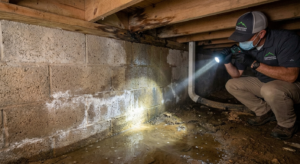
Sill Plate and Subfloor Rot: Ground moisture in damp basements or crawlspaces wicks up into floor joists, sill plates, and subflooring, causing wood decay and floor sagging.
-
Efflorescence and Masonry Degradation: As moisture migrates through concrete or brick, it leaves behind white mineral deposits (efflorescence) and slowly breaks down mortar joints.
Inspector Tip
Ensure ground soil slopes downward away from the foundation wall (at least 6 inches over the first 10 feet), clear gutter downspouts, and extend drain lines at least 5 feet away from the home.
2. From Above: Roof, Flashing, and Building Envelope Leaks – water damage home inspection
Your roof system and exterior siding act as the primary shield against rain, snow, and ice. However, damaged materials or missing flashing create pathways for water to penetrate deep into hidden building cavities.
How It Causes Damage
-
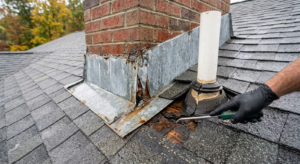
Roof Decking Decay: Worn shingles, damaged boot pipe seals, or loose flashing allow rainwater under roof underlayment, leading to rotted plywood decking and weakened roof trusses.
-
Ruined Attic Insulation: Wet fiberglass or cellulose insulation loses its thermal efficiency, traps moisture against ceiling joists, and raises utility costs.
-
Ceiling and Drywall Failure: Persistent roof leaks slowly saturate ceiling drywall, creating unsightly brown rings, sagging materials, and eventual ceiling collapse.
Inspector Tip
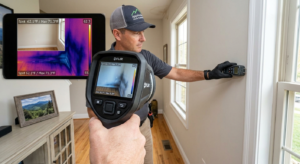
Look for signs of water damage in home attics, such as dark wood staining around chimney flues and roof vents. Thermal imaging tools used during a water damage home inspection can detect roof leaks long before water drips onto your ceiling.
3. From Within: Plumbing Leaks and Interior Moisture Control – water damage home inspection
Not all water problems originate outdoors. Hidden interior plumbing failures and unvented household humidity cause some of the most expensive structural water damage found during home evaluations.
How It Causes Damage
-
Subfloor Buckling and Warping: Pin-hole leaks beneath dishwashers, bathroom vanities, or refrigerators soak subflooring, causing hardwood, laminate, or tile floor systems to cup and buckle.
-
Concealed Wall Cavity Rot: Unvented moisture inside wall framing creates hidden rot on wall studs, top plates, and drywall backing.
-
Rapid Mold and Mildew Growth: Mold thrives in dark environments with relative humidity above 60%. Unvented bathroom fans and wet crawlspaces foster toxic mold growth, deteriorating building materials and lowering indoor air quality.
Inspector Tip
Inspect supply lines to washing machines, toilets, and ice makers regularly. Ensure all bathroom and kitchen exhaust fans route completely outside the home—never ending inside an attic or crawlspace.
Protect Your Investment with a Water Damage Home Inspection – water damage home inspection
Water damage is progressive—the longer moisture remains undetected, the more extensive and expensive the structural repairs become. Whether you are buying a home, preparing to list your property, or performing routine maintenance, identifying hidden moisture early is critical.
A comprehensive water damage home inspection utilizes specialized equipment—such as pinless moisture meters and infrared thermal imaging cameras—to evaluate site drainage, inspect crawlspaces, analyze roof systems, and scan for hidden plumbing leaks behind drywall.
Worried about hidden moisture or drainage issues? Contact us today to schedule your professional home inspection and protect your property from costly water damage.
Book your home inspection with the specialists at Holler Home Inspections today HERE
Continue reading more on home inspections at InterNACHI HERE